Urban Redevelopment in Brussels, Belgium: Insights from Survey Results
Category : |
Sub Category : Posted on 2024-10-05 22:25:23
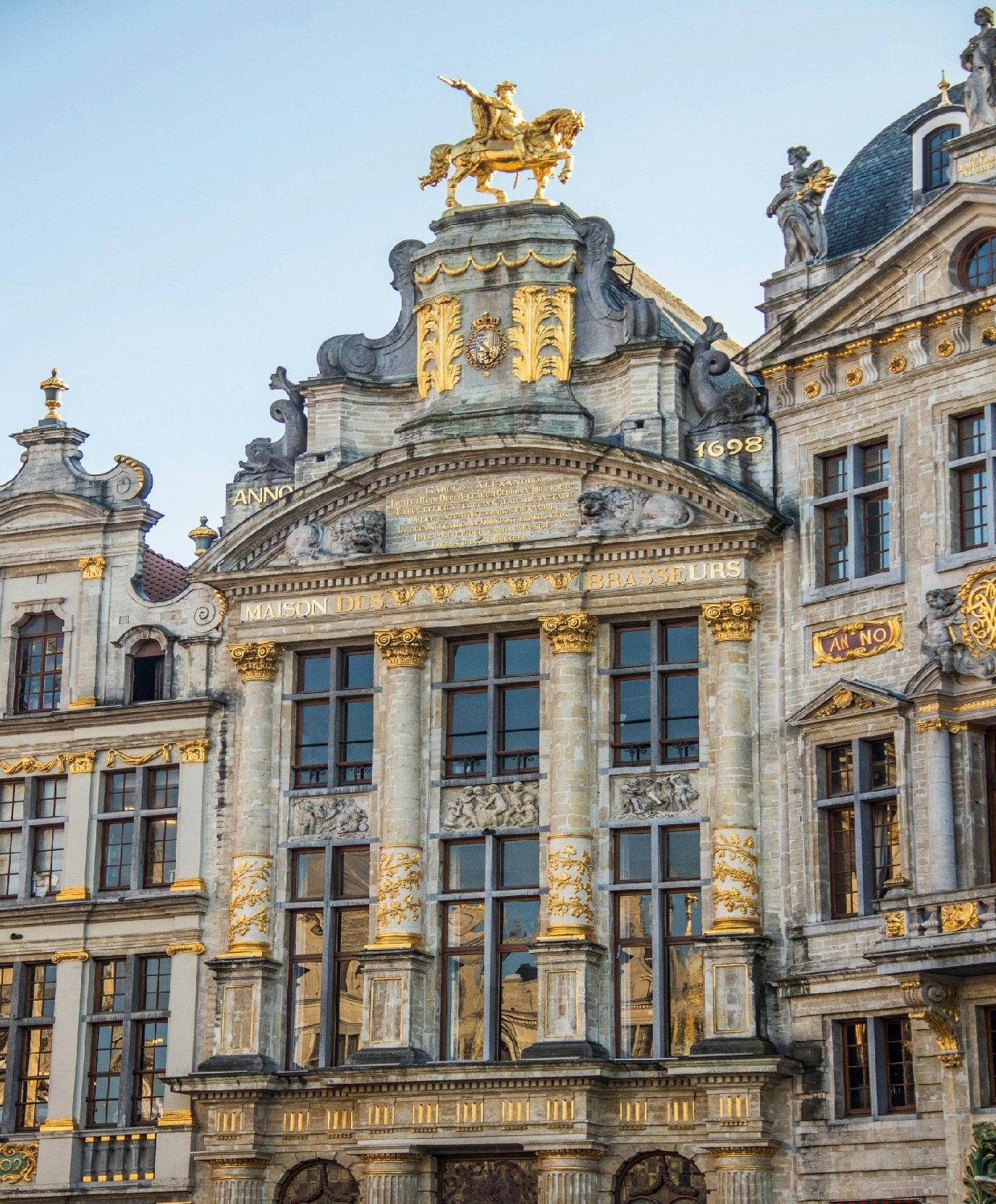
Urban redevelopment plays a crucial role in shaping the identity and economic vitality of cities around the world. Brussels, the capital of Belgium and the de facto capital of the European Union, is no exception. With its rich history, diverse culture, and status as a major global hub, Brussels has been actively engaged in urban redevelopment initiatives to enhance its livability, sustainability, and attractiveness to residents, businesses, and visitors. Recently, a comprehensive survey was conducted to gather insights and opinions on urban redevelopment in Brussels, Belgium. The survey aimed to understand public perceptions, preferences, and priorities regarding urban planning, architecture, transportation, green spaces, and community amenities in the city. The results provide valuable data that can inform policymakers, urban planners, developers, and community stakeholders in their efforts to shape the future of Brussels. One of the key findings of the survey is the strong support for sustainable urban development practices in Brussels. A majority of respondents expressed a keen interest in green initiatives, such as the creation of more parks, gardens, and pedestrian-friendly zones. There was also a clear preference for preserving historical buildings and cultural heritage sites while fostering modern architectural design that complements the city's unique character. In terms of transportation, the survey highlighted the importance of improving public transit options, enhancing cycling infrastructure, and reducing traffic congestion in Brussels. Many respondents advocated for investments in sustainable transport solutions, such as electric buses, bike-sharing programs, and pedestrian-friendly streets, to promote environmental sustainability and improve quality of life for residents. When it comes to community amenities, the survey revealed a strong desire for more recreational facilities, cultural venues, and social spaces in Brussels neighborhoods. Respondents emphasized the need for vibrant public squares, community centers, sports facilities, and arts venues that can foster social interaction, creativity, and a sense of belonging among diverse populations in the city. Overall, the survey results underscore the importance of inclusive and participatory urban redevelopment strategies that prioritize sustainability, connectivity, and quality of life in Brussels, Belgium. By listening to the voices of residents and stakeholders, city leaders and planners can create a vision for a more resilient, vibrant, and equitable urban environment that meets the needs and aspirations of all who call Brussels home. As Brussels continues to evolve and grow, harnessing the insights from surveys and engaging with the community will be essential in shaping a sustainable and thriving urban future for the capital city of Belgium.
https://desencadenar.org
https://constructional.org


