Exploring Brussels, Belgium: Unveiling Conflicts in History Through Survey Results
Category : |
Sub Category : Posted on 2024-10-05 22:25:23
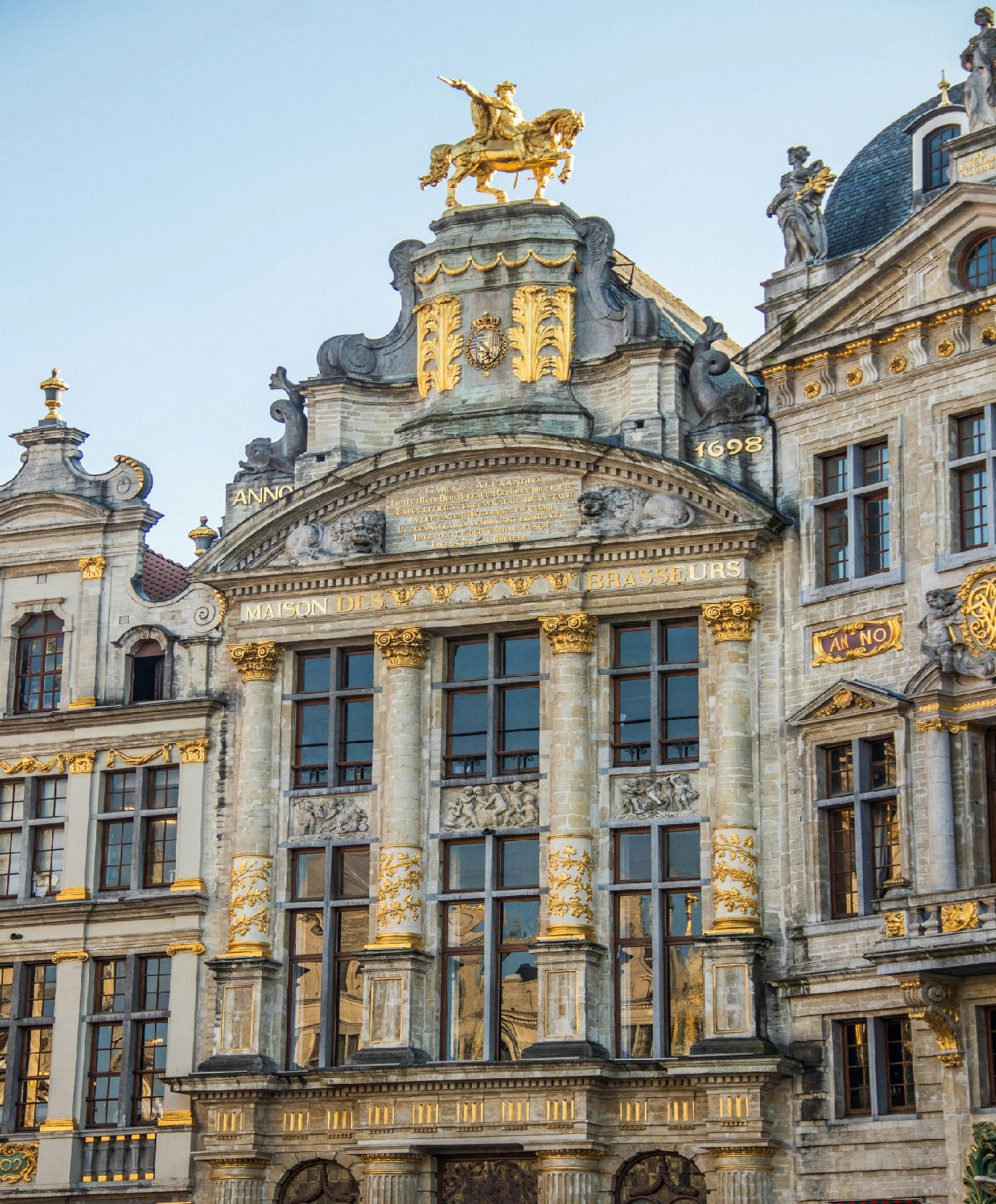
Brussels, the vibrant capital city of Belgium, is not only known for its stunning architecture, delicious cuisine, and lively cultural scene but also for its rich history that is marked by various conflicts over the centuries. By delving into survey results, we can uncover the narratives of historical conflicts that have shaped the city and its inhabitants. One of the most notable periods of conflict in Brussels' history dates back to the Middle Ages when the city became a battleground for power struggles between rival dynasties and feudal lords. The survey results indicate that the remnants of medieval fortifications, such as the impressive city walls and gates, serve as poignant reminders of this turbulent era. Moving forward in history, Brussels witnessed significant turmoil during the period of Spanish and Austrian rule. The survey findings highlight how this era is reflected in the city's architecture, with grand palaces and opulent buildings constructed to showcase the power and wealth of the ruling elite. However, beneath the facade of grandeur lay simmering tensions that would eventually erupt into uprisings and revolutions. The 20th century brought a new chapter of conflict to Brussels, particularly during the two World Wars. The survey responses shed light on the impact of occupation, resistance movements, and liberation on the city and its residents. Memorials, museums, and preserved wartime sites stand as testaments to the sacrifices made and the resilience shown during these tumultuous times. In more recent history, Brussels has grappled with internal conflicts related to language, culture, and identity. The survey data reveals how linguistic divisions between French and Dutch speakers have at times led to political tensions and social fragmentation within the city. Efforts to promote bilingualism and foster greater unity have been met with both challenges and successes, reflecting the complex tapestry of Brussels' societal dynamics. As we navigate through Brussels, we are reminded that behind its picturesque facades and bustling streets lie the echoes of past conflicts that have left their indelible mark on the city. By engaging with survey results and historical narratives, we gain a deeper understanding of how conflicts have shaped Brussels' identity and continue to influence its trajectory. In conclusion, exploring Brussels, Belgium, through the lens of survey results unveils a compelling tapestry of conflicts in history that have shaped the city's landscape and collective memory. From medieval rivalries to modern-day linguistic tensions, each chapter of Brussels' past serves as a testament to resilience, adaptation, and the enduring human spirit in the face of adversity.


