A Comparative Analysis: Survey Results in Brussels, Belgium and Sweden
Category : |
Sub Category : Posted on 2024-10-05 22:25:23
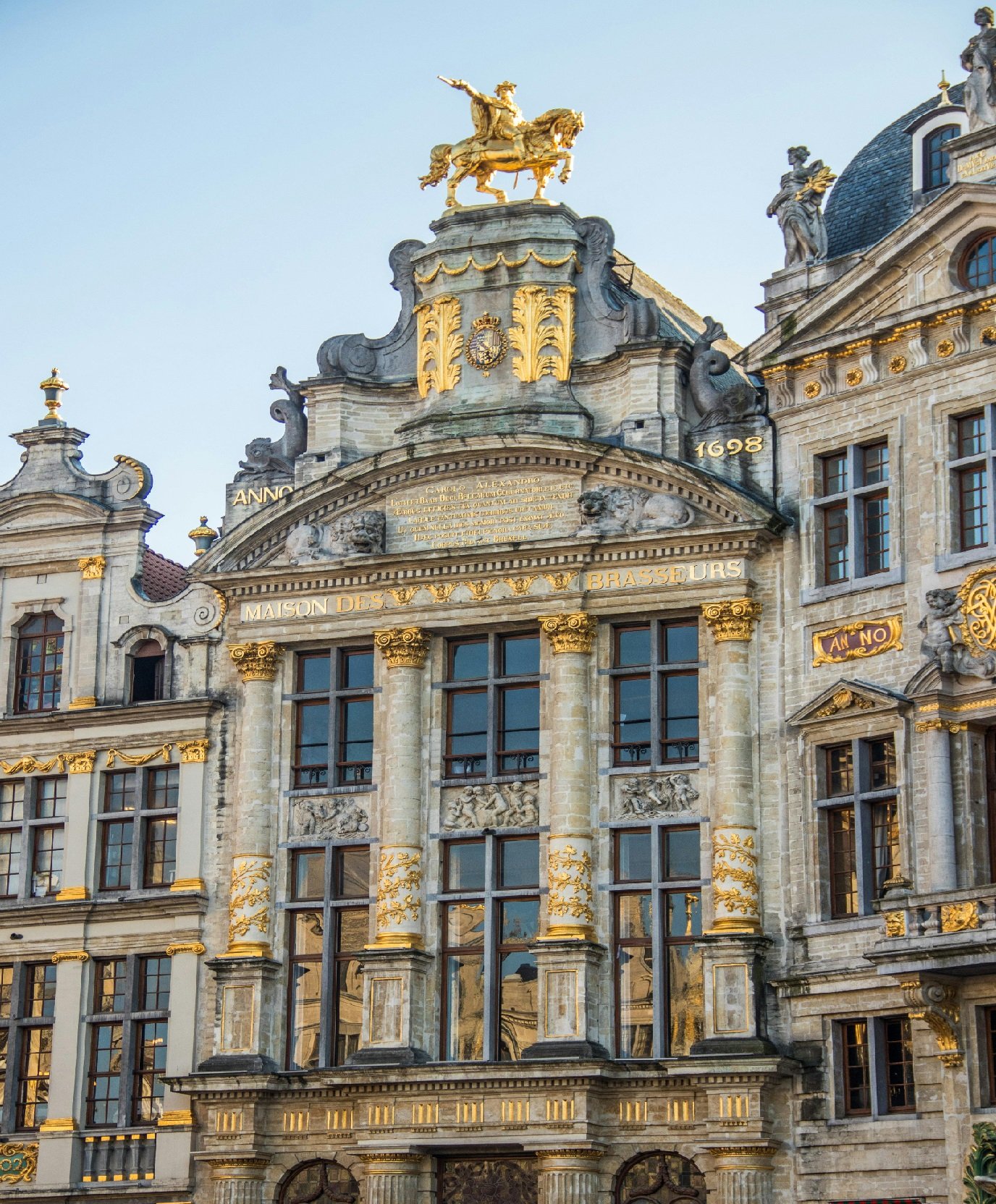
In today's globalized world, understanding the attitudes and opinions of citizens in different countries is essential for informed decision-making and policy formulation. Surveys provide valuable insights into the thoughts and preferences of people, shedding light on their perceptions of various social, economic, and political issues. In this blog post, we will delve into the survey results from Brussels, Belgium, and Sweden, comparing and contrasting the findings to gain a deeper understanding of the two societies. Brussels, the capital of Belgium, is not only a bustling metropolis but also a melting pot of diverse cultures and languages. A recent survey conducted in Brussels revealed interesting trends among its residents. One of the key findings was the high level of satisfaction with the city's public transportation system, with a majority of respondents expressing positive sentiments towards its efficiency and accessibility. Additionally, the survey highlighted growing concerns about housing affordability, with many residents citing rising rents as a significant challenge. On the other hand, Sweden, known for its high quality of life and social welfare system, presents a different set of survey results. A recent study in Sweden pointed to a strong emphasis on work-life balance among respondents, with many expressing the importance of flexible working hours and parental leave policies. The survey also indicated a growing awareness of environmental issues, with a significant number of Swedes voicing support for sustainable initiatives and renewable energy projects. When comparing the survey results from Brussels, Belgium, and Sweden, some interesting contrasts emerge. While residents in Brussels are more concerned about housing affordability and urban infrastructure, Swedes prioritize work-life balance and environmental sustainability. These differences reflect the unique societal values and challenges faced by each country, highlighting the importance of tailored policy interventions to address specific needs. In conclusion, survey results provide valuable insights into the thoughts and perspectives of people in different countries, helping policymakers and researchers better understand societal trends and preferences. By comparing and contrasting survey findings from Brussels, Belgium, and Sweden, we can gain a more nuanced understanding of the diverse challenges and aspirations of people living in these regions. Ultimately, it is through such comparative analyses that we can work towards building more inclusive and responsive societies that meet the needs of all citizens.


