**Exploring Survey Results: A Comparison of Brussels, Belgium, and the Netherlands**
Category : |
Sub Category : Posted on 2024-10-05 22:25:23
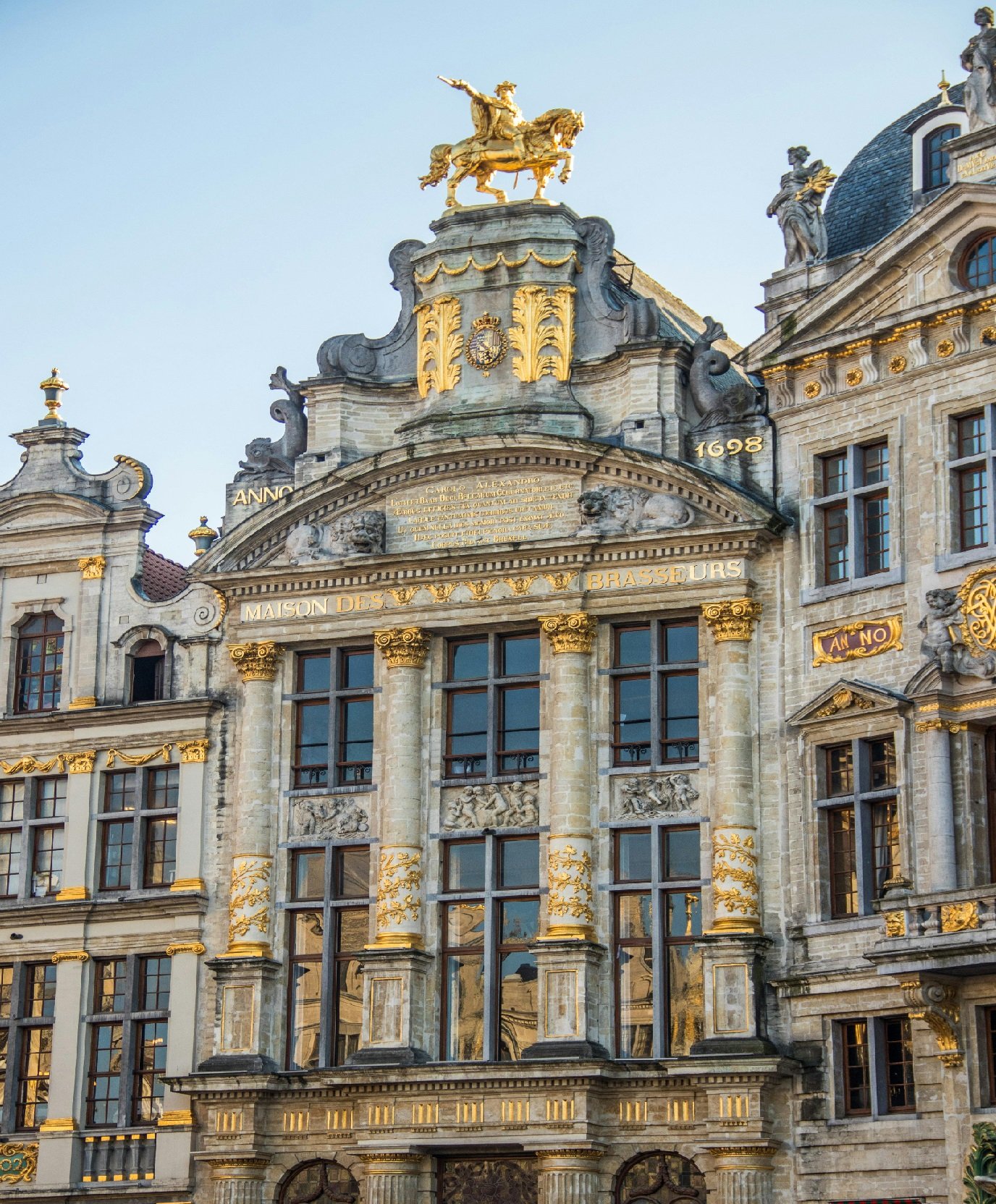
Surveys are valuable tools for gaining insights into various aspects of society, from opinions and attitudes to behaviors and preferences. In this blog post, we will delve into Survey results from Brussels, Belgium, and the Netherlands to uncover interesting findings and potential differences between these neighboring regions. **Demographics** One key aspect of survey results is demographics. Brussels, as the capital of Belgium and home to diverse communities, exhibits a unique demographic profile. With a mix of languages, cultures, and backgrounds, surveys in Brussels often reflect this diversity. In contrast, the Netherlands, known for its relatively homogeneous population, may show a more consistent demographic pattern in survey responses. **Attitudes and Opinions** Survey results can provide valuable insights into the attitudes and opinions of people in different regions. When comparing Brussels and the Netherlands, we may discover variations in public opinion on various topics such as politics, economy, environment, and social issues. Understanding these differences can shed light on the societal values and concerns of each region. **Quality of Life** Quality of life indicators are crucial aspects of survey results, offering a glimpse into the well-being and happiness of residents. Brussels and the Netherlands may showcase disparities in areas such as healthcare, education, housing, and work-life balance. By analyzing survey data related to quality of life, we can assess the strengths and challenges faced by individuals in each region. **Cultural Insights** Culture plays a significant role in shaping survey responses and overall perceptions. Brussels, with its rich cultural heritage and international influence, may yield survey results that reflect this diversity. On the other hand, the Netherlands, known for its art, music, and innovative spirit, may exhibit cultural nuances in survey findings that resonate with its national identity. **Future Implications** Survey results not only provide a snapshot of the present but also offer insights into future trends and developments. By examining survey data from Brussels, Belgium, and the Netherlands, policymakers, businesses, and researchers can anticipate changes, identify emerging issues, and tailor strategies to address the evolving needs of residents in these regions. In conclusion, survey results from Brussels, Belgium, and the Netherlands offer a wealth of information for understanding societal dynamics, cultural nuances, and public sentiments in these distinct yet interconnected regions. By analyzing and comparing survey data, we can gain valuable perspectives on the similarities, differences, and potential implications for the future of these neighboring territories.


