In a recent survey conducted in Brussels, Belgium and Antwerp, Netherlands, interesting results were revealed about the inhabitants of these two bustling cities. The survey aimed to gather insights into various aspects of daily life, including lifestyle preferences, cultural activities, and opinions on current issues.
Category : |
Sub Category : Posted on 2024-10-05 22:25:23
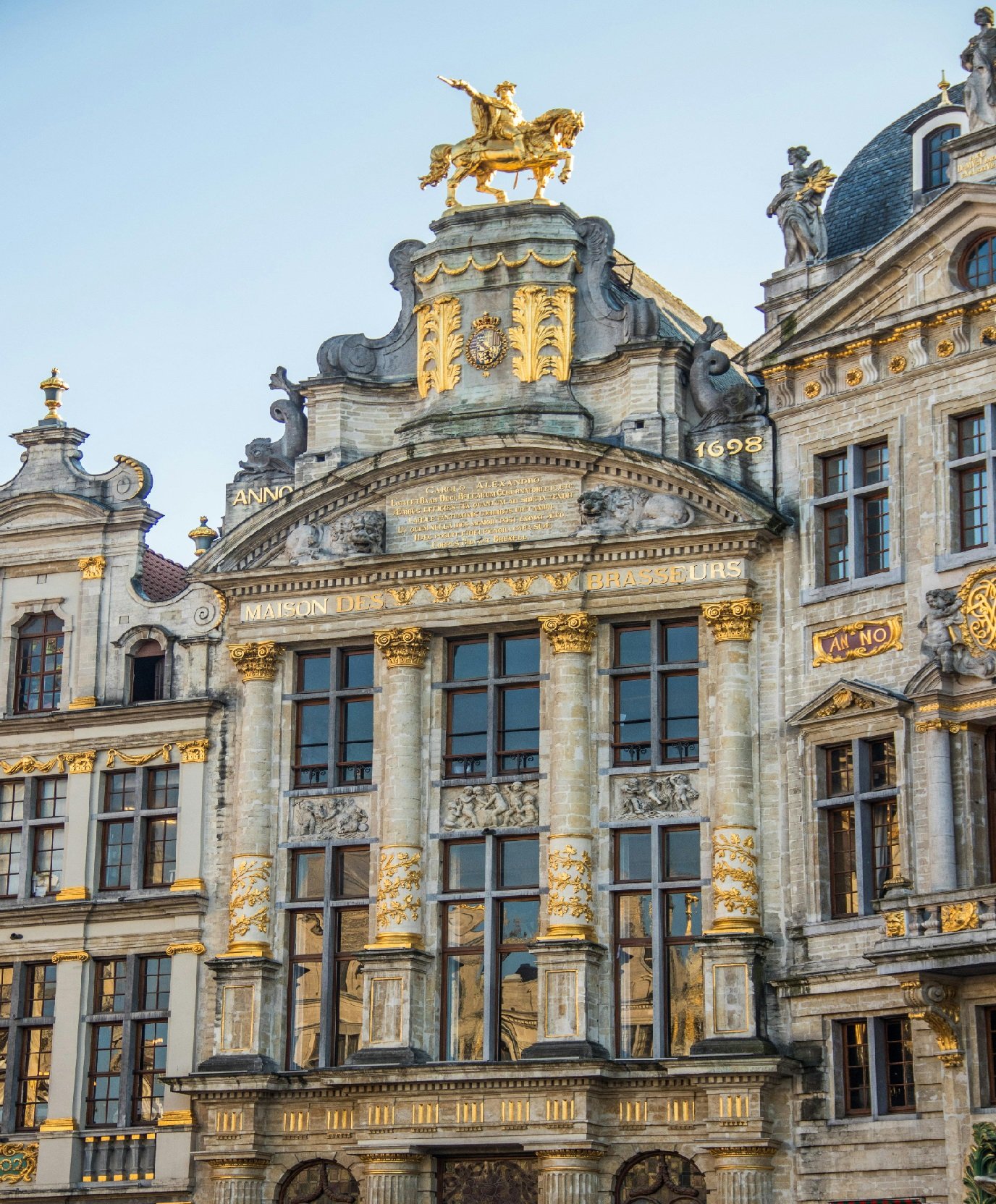
One of the key findings of the survey was the difference in preferred modes of transportation between the residents of Brussels and Antwerp. While residents of Brussels expressed a strong preference for using public transportation such as buses, trams, and trains due to the city's well-connected network, those in Antwerp tended to rely more on bicycles and cars for their daily commute. This difference reflects the unique urban layouts of the two cities and their approach to sustainable mobility. Another notable result from the survey was the diverse cultural interests of the respondents. In Brussels, residents showed a keen interest in visiting art galleries, museums, and historic sites, reflecting the city's rich cultural heritage and vibrant arts scene. On the other hand, respondents from Antwerp expressed a strong preference for attending music concerts, festivals, and other live events, showcasing the city's reputation as a hub for music and entertainment. The survey also touched upon current issues that are important to the residents of both cities. In Brussels, environmental sustainability emerged as a top concern, with many respondents expressing support for eco-friendly initiatives such as recycling programs and green spaces. In contrast, residents of Antwerp were more focused on issues related to urban development and infrastructure, particularly the need for improved cycling lanes and pedestrian-friendly spaces. Overall, the survey results provided valuable insights into the unique characteristics and preferences of the inhabitants of Brussels, Belgium and Antwerp, Netherlands. Despite being neighboring cities, the residents of these two urban centers displayed distinct lifestyles, interests, and concerns that reflect the diverse cultural tapestry of the region. Such surveys help to highlight the importance of understanding local communities and their needs in order to create more sustainable and inclusive cities for all.


