Bridging the Gap: Surveying Contribution to Education in Brussels, Belgium and Cameroon
Category : |
Sub Category : Posted on 2024-10-05 22:25:23
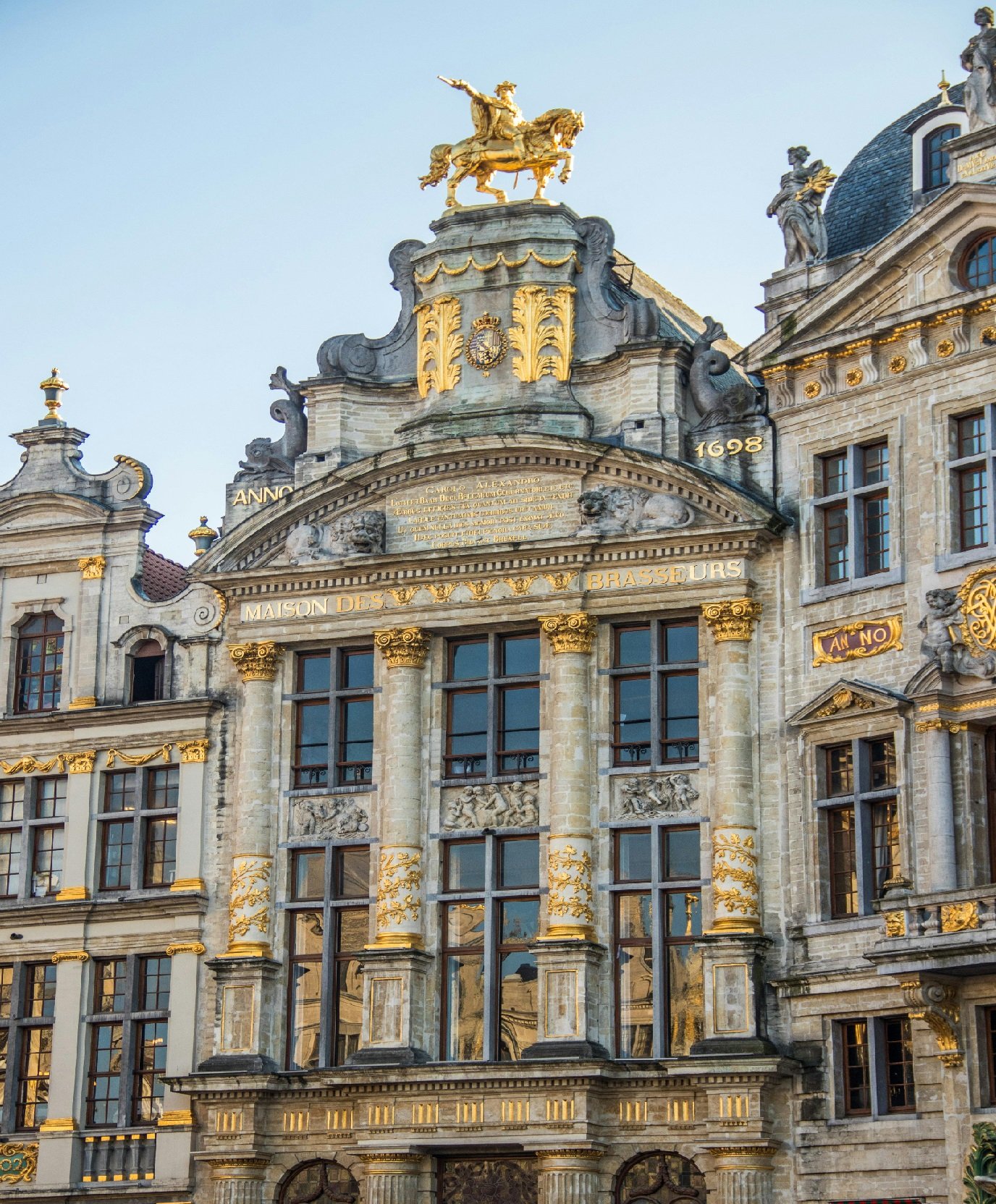
Education is a fundamental human right that lays the foundation for individual and societal development. However, disparities in educational opportunities exist worldwide, with challenges varying from country to country. In this blog post, we will explore and compare the contributions to education in Brussels, Belgium, and Cameroon through surveys conducted in both regions. Brussels, Belgium, known as the de facto capital of the European Union, is home to a diverse population and a hub for international organizations. The education system in Brussels is characterized by a mix of public, private, and international schools, offering students a wide range of options. With a strong emphasis on multilingualism, schools in Brussels strive to provide students with a well-rounded education that prepares them for a globalized world. Surveys conducted in Brussels have highlighted the importance of investing in early childhood education, promoting digital literacy, and fostering inclusive learning environments. Stakeholders in Brussels, including parents, teachers, and policymakers, have recognized the need for continuous improvement in the education sector to ensure that all students have access to quality education opportunities. On the other hand, Cameroon, a country located in Central Africa, faces different challenges in its education system. Despite efforts to improve access to education, including the implementation of free primary education, Cameroon continues to struggle with issues such as inadequate infrastructure, teacher shortages, and disparities in educational outcomes between urban and rural areas. Surveys conducted in Cameroon have shed light on the need for increased investment in teacher training, infrastructure development, and educational resources. The findings have underscored the importance of addressing systemic barriers to education, such as gender inequality and lack of access to quality education in marginalized communities. By comparing the survey findings from Brussels, Belgium, and Cameroon, it becomes apparent that while the contexts may differ, the overarching goal of improving education remains a universal challenge. Both regions can learn from each other's experiences and best practices to build more inclusive and effective education systems that benefit all learners. In conclusion, surveying contributions to education in Brussels, Belgium, and Cameroon provides valuable insights into the strengths and weaknesses of each region's education system. By leveraging these insights and fostering collaboration between stakeholders, we can work towards bridging the gap and ensuring that every individual has the opportunity to access quality education, regardless of their background or location.


