Navigating the Supply Chain Challenges for the 2022 World Cup in Brussels, Belgium
Category : |
Sub Category : Posted on 2024-10-05 22:25:23
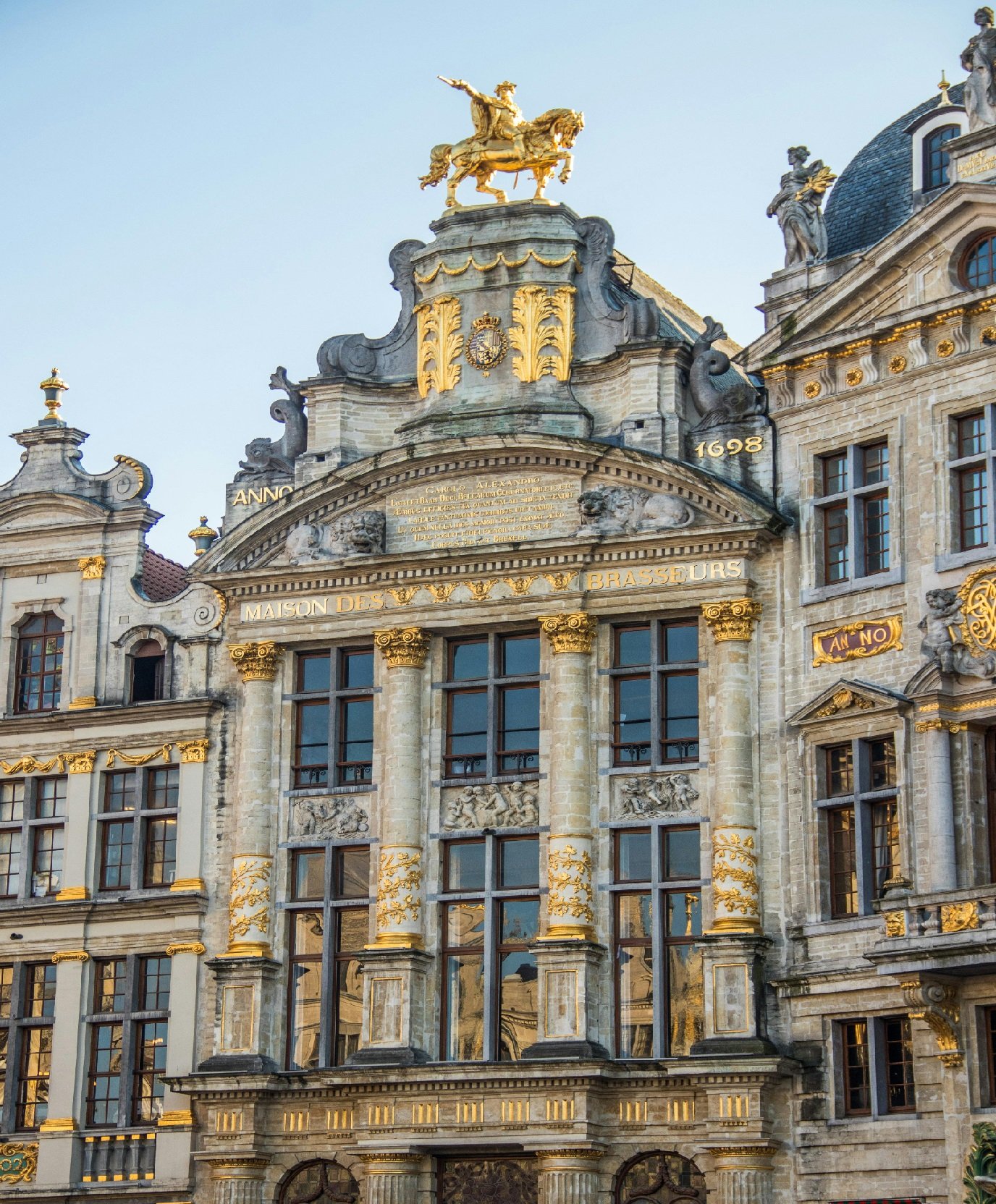
As the anticipation for the 2022 World Cup in Brussels, Belgium continues to build, one crucial aspect that often goes unnoticed is the complex supply chain that is working tirelessly behind the scenes to ensure the smooth running of the event. The World Cup is not just a sporting event; it is a logistical juggernaut that requires meticulous planning and execution to deliver an unforgettable experience for players, spectators, and viewers around the globe. Supply chain management plays a critical role in the success of major events like the World Cup. From sourcing merchandise and team equipment to managing transportation and logistics, every aspect of the supply chain must be carefully coordinated to avoid delays and disruptions. In the case of Brussels, Belgium, being the host city for the upcoming World Cup, there are unique challenges that come with managing the supply chain for such a massive international event. One of the key challenges that organizers in Brussels may face is ensuring the availability of merchandise and souvenirs to meet the demands of fans and visitors during the World Cup. With a surge in demand for team jerseys, memorabilia, and other merchandise, suppliers must forecast accurately to avoid stockouts or overstock situations. Effective inventory management and collaboration with suppliers will be essential to ensure that fans have access to the products they desire. Another critical aspect of the supply chain for the World Cup is transportation and logistics. With teams, officials, and spectators traveling from across the globe to Brussels, efficient transportation networks must be in place to facilitate the movement of people and goods. Coordinating with airlines, shipping companies, and local transportation providers will be crucial to ensuring that everyone reaches their destinations on time. Moreover, sustainability is becoming an increasingly important consideration in supply chain management for major events like the World Cup. Organizers in Brussels must prioritize eco-friendly practices in sourcing, packaging, and transportation to minimize the environmental impact of the event. Implementing green initiatives such as using bio-degradable materials, optimizing transportation routes, and reducing waste can help make the World Cup in Brussels a more sustainable and responsible event. In conclusion, the supply chain for the 2022 World Cup in Brussels, Belgium is a complex and multifaceted operation that requires careful planning, coordination, and execution. By addressing key challenges such as merchandise availability, transportation logistics, and sustainability, organizers can ensure a successful and memorable World Cup experience for all involved. As the world awaits the excitement and drama of the tournament, let's not forget the dedicated teams working tirelessly behind the scenes to make it all possible.
https://weltmeisterschaften.org


