Exploring Children's Games from Uzbekistan to Brussels, Belgium
Category : |
Sub Category : Posted on 2024-10-05 22:25:23
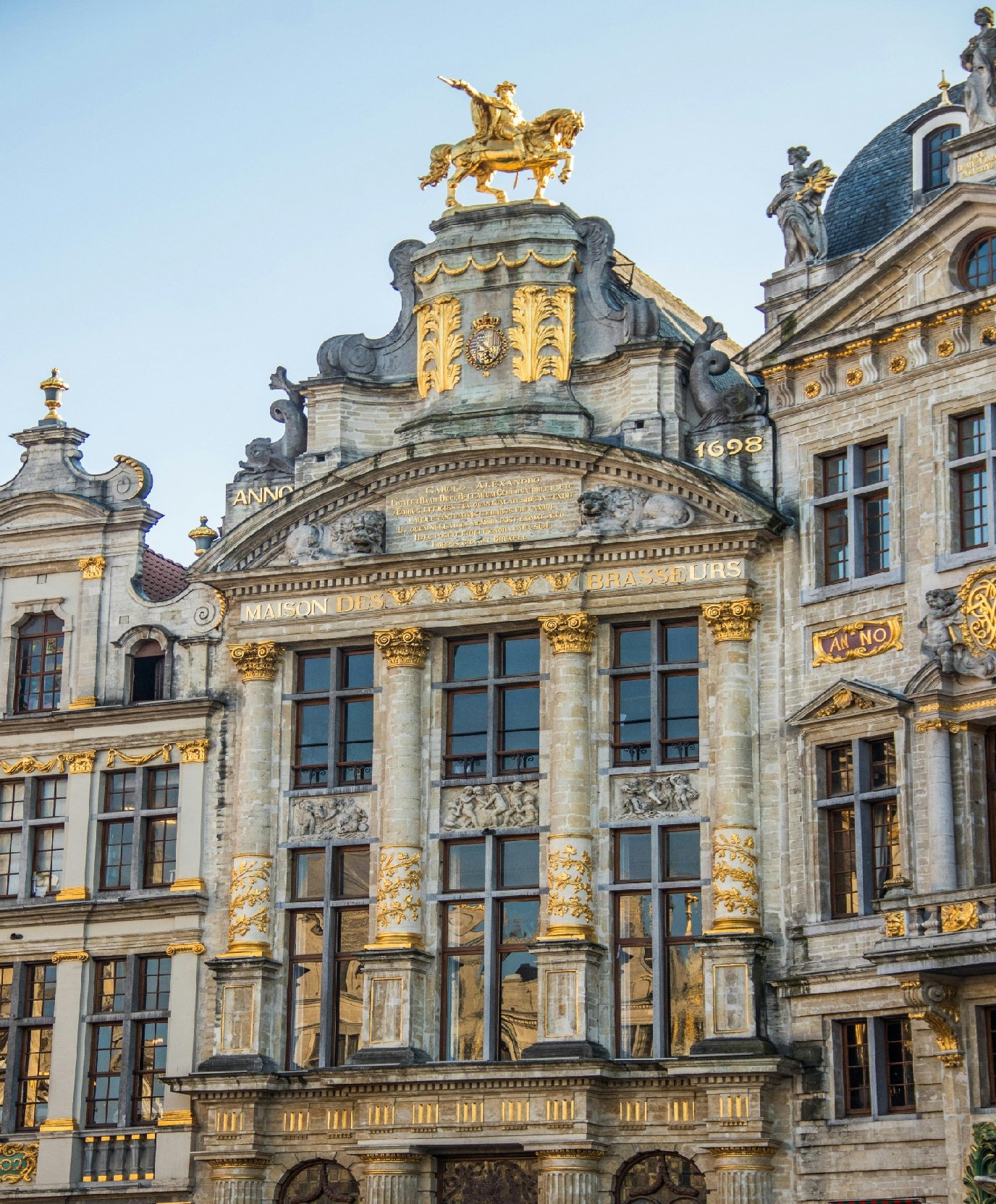
Introduction: children's games have always been an essential part of growing up, providing not just entertainment but also valuable life lessons and skills. In this blog post, we will take a look at how children's games vary and resonate in two different parts of the world - Uzbekistan and Brussels, Belgium. Despite the geographical distance and cultural differences, children's games have a way of transcending boundaries and bringing joy to kids everywhere. Children's Games in Uzbekistan: Uzbekistan, a country located in Central Asia, has a rich cultural heritage that is reflected in its traditional children's games. One popular game among Uzbek children is "Beshbarmak," which involves players using their hands to try and grab a small object before their opponents do. Another traditional game is "Tovush," a form of a tag game where players chase each other around while making specific sounds. Children's Games in Brussels, Belgium: Brussels, the capital city of Belgium and the heart of European culture, also has its own unique children's games that have been passed down through generations. One common game played by children in Brussels is "Cuckoo," a variation of hide-and-seek where the seeker has to find hidden players while shouting "Cuckoo." Another popular game is "Chaises musicales," which is a musical chairs game where kids compete to find a seat when the music stops. Cultural Exchange: Despite the differences in specific games, children from Uzbekistan and Brussels share a common love for play and fun. In today's interconnected world, children from different cultures often have the opportunity to learn about and enjoy games from around the globe. This cultural exchange through games helps foster understanding, empathy, and friendship among young minds. Benefits of Children's Games: Children's games are not just about fun and entertainment; they also play a crucial role in child development. Through games, children learn important skills such as teamwork, problem-solving, creativity, and social interaction. Games also promote physical activity and cognitive development, helping children grow and learn in a playful and engaging manner. In conclusion, children's games serve as a universal language that transcends borders and unites kids from different cultures. Whether in the vibrant streets of Uzbekistan or the bustling neighborhoods of Brussels, children's games bring joy, laughter, and valuable learning experiences to young hearts around the world. Let's continue to celebrate the power of play in shaping the future generations and creating lasting memories that will be cherished for years to come.


