Exploring Traditional Children's Games in the Hispanic Community of Brussels, Belgium
Category : |
Sub Category : Posted on 2024-10-05 22:25:23
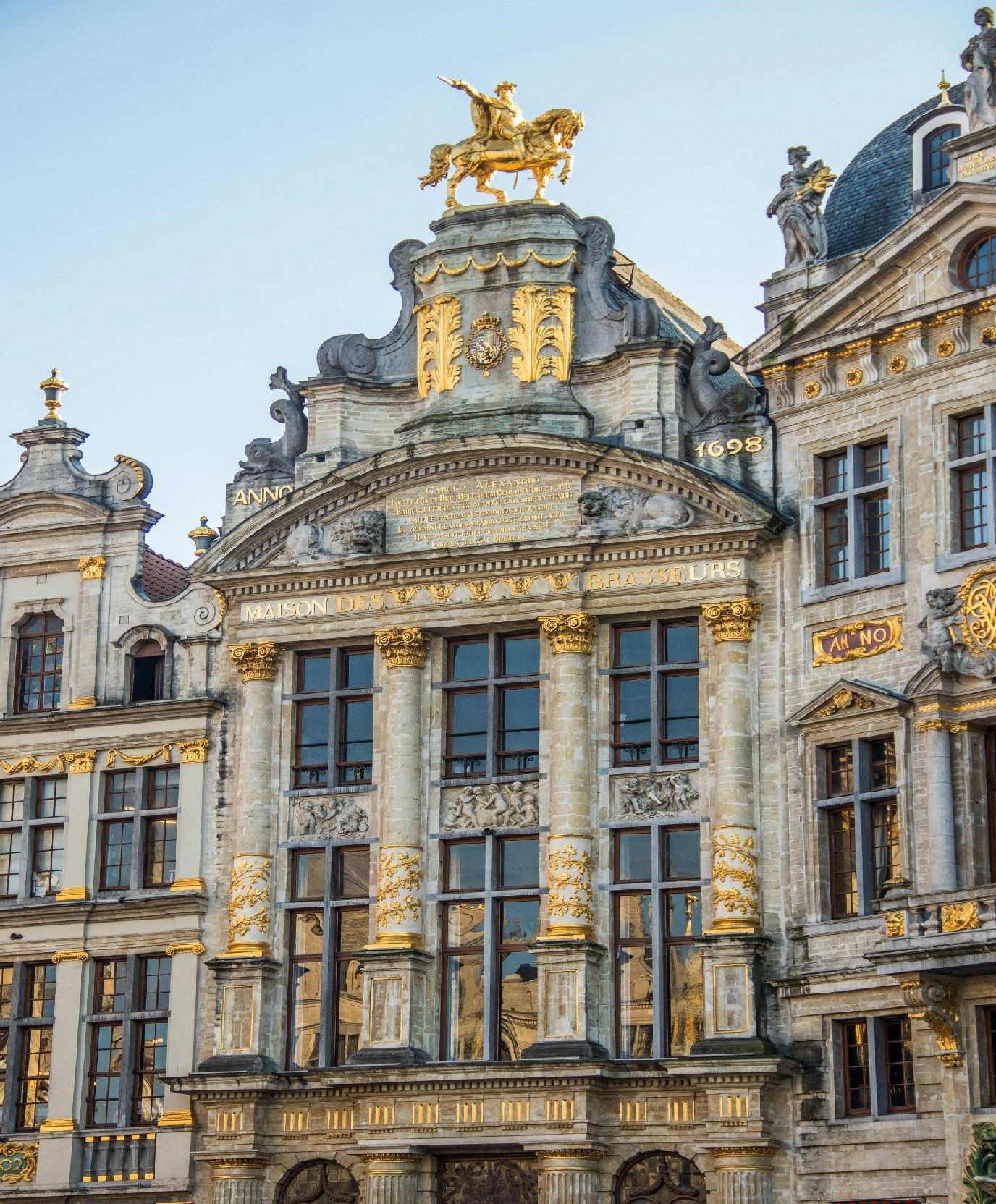
When it comes to the vibrant and diverse city of Brussels, Belgium, one cannot overlook the rich cultural tapestry woven by the Hispanic community that resides there. Amidst the bustling streets and charming neighborhoods, children of Hispanic descent in Brussels find ways to connect with their heritage through traditional games that have been passed down through generations. From the lively rhythms of salsa music to the delicious flavors of empanadas, the Hispanic community in Brussels brings a touch of Latin American culture to the heart of Europe. And one of the ways in which this cultural heritage is preserved and celebrated is through the playing of traditional children's games. One such game that is popular among Hispanic children in Brussels is "El Patio" (The Courtyard). This game is often played in open spaces such as parks or courtyards, where children form a circle and take turns performing dance-like movements to music while chanting rhymes. The game not only promotes physical activity but also fosters a sense of community and camaraderie among the children. Another beloved game within the Hispanic community is "La Rayuela" (Hopscotch). This classic game involves hopping through a series of squares drawn on the ground, testing agility and coordination. In Brussels, Hispanic children can be seen playing La Rayuela in schoolyards and playgrounds, keeping alive a tradition that dates back centuries. In addition to these traditional games, children in the Hispanic community of Brussels also enjoy playing "Las escondidas" (Hide and Seek) and "Cinco Patitos" (Five Little Ducks). These timeless games not only provide entertainment and fun but also serve as a means of connecting with their cultural roots and heritage. Through the simple act of playing these games, children in the Hispanic community of Brussels are able to stay connected to their cultural identity, language, and traditions. As they laugh, run, and play together, they create memories that will stay with them for a lifetime, forging bonds that transcend borders and generations. In a world that is constantly changing and evolving, the preservation of traditional children's games within the Hispanic community of Brussels serves as a testament to the importance of celebrating cultural heritage and passing it on to future generations. So the next time you stroll through the streets of Brussels and hear the joyful sounds of children at play, take a moment to appreciate the rich cultural mosaic that makes this city truly unique.


