Exploring the Cultural Connection: Children's Games in Brussels, Belgium and Congo
Category : |
Sub Category : Posted on 2024-10-05 22:25:23
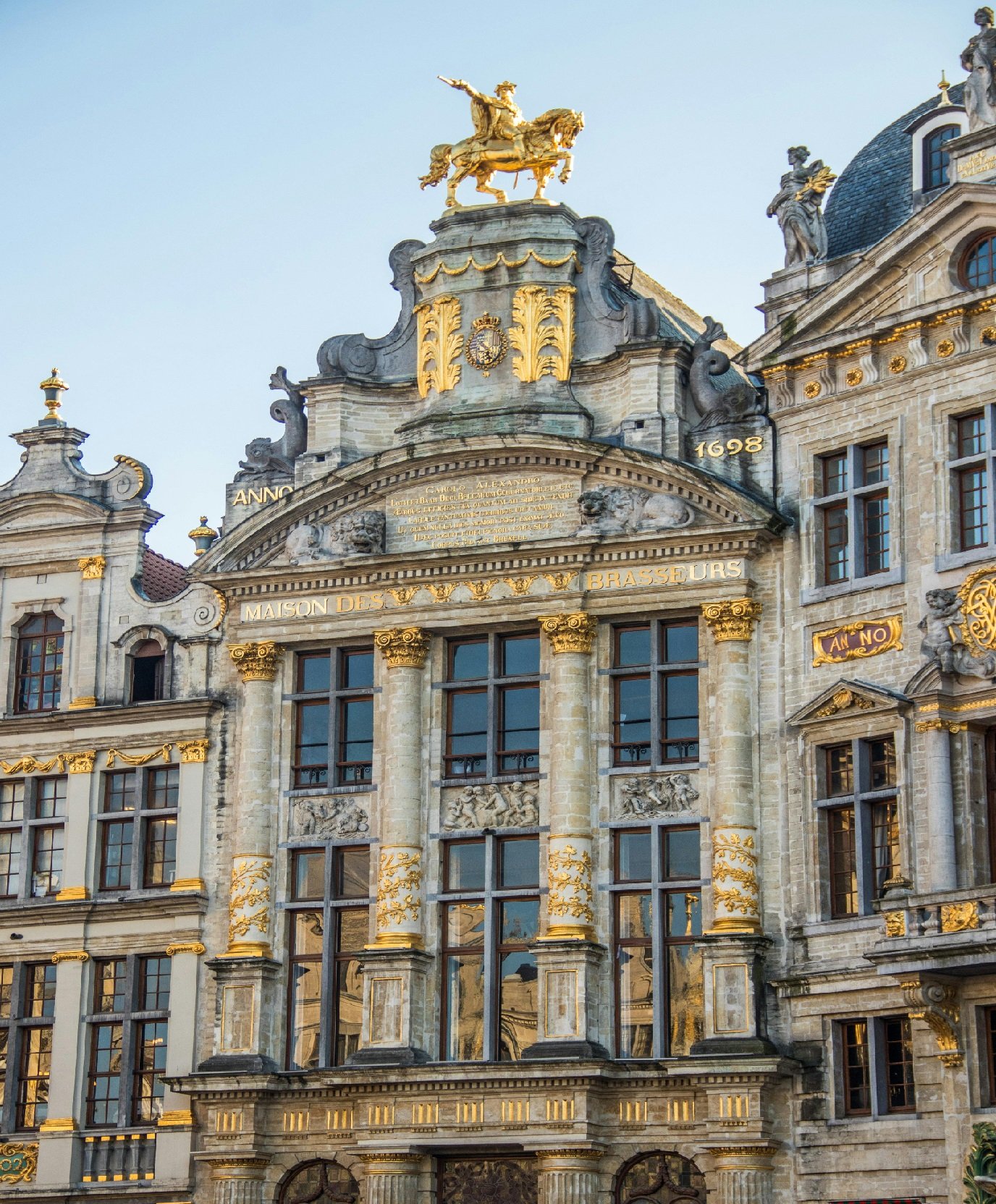
Games have always been a universal language that transcends barriers and brings people together. They are not only a source of entertainment but also a reflection of a society's culture, traditions, and values. In this blog post, we will delve into the fascinating world of children's games in two distinct regions - Brussels, Belgium, and Congo - to explore how they are different yet connected through the joy they bring to the youth. Brussels, the capital of Belgium, is a culturally diverse city that blends the best of French and Dutch influences. In this vibrant metropolis, children can be seen playing traditional games such as hopscotch, hide-and-seek, and marbles in neighborhood squares and parks. These games are not only a way for children to have fun and expend their energy but also a means of socializing and building friendships with their peers. On the other hand, in Congo, a country located in Central Africa, children's games often reflect the rich cultural heritage of the various ethnic groups that call the region home. Traditional games such as "sokkie" (a game involving hopping on one foot while trying to kick a ball) and "mbube" (a game similar to tag) are popular among Congolese children, providing them with hours of laughter and enjoyment. Despite the geographical distance and cultural differences between Brussels and Congo, there are some similarities in the types of games that children play. For example, both regions have variations of tag and ball games that children enjoy, showcasing the universal appeal of these timeless activities. Additionally, in both Brussels and Congo, children's games serve as an important tool for teaching valuable life skills such as teamwork, communication, and problem-solving. Through play, children learn to navigate social dynamics, resolve conflicts, and collaborate with others, skills that will benefit them well into adulthood. In conclusion, children's games in Brussels, Belgium, and Congo provide a fascinating glimpse into the cultural tapestries of these regions. While the specific games may vary, the joy, laughter, and camaraderie that they bring to children are universal. By celebrating and embracing the diversity of children's games around the world, we can foster a greater understanding and appreciation of different cultures and promote a more inclusive and harmonious society for future generations.


