Exploring Chances and Probability: Comparing Rwanda and Brussels, Belgium
Category : |
Sub Category : Posted on 2024-10-05 22:25:23
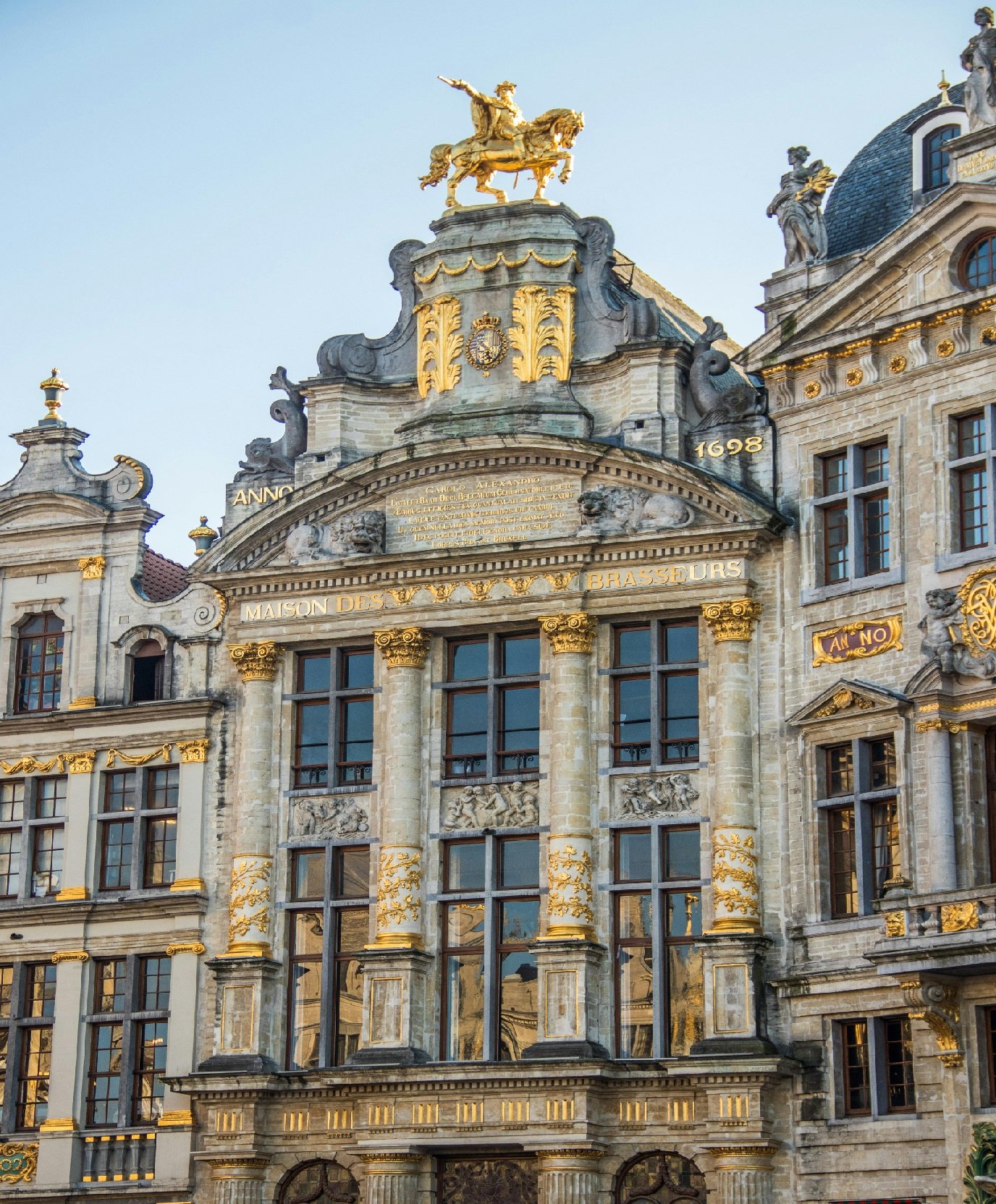
When it comes to understanding chances and probability, examining different regions can provide valuable insights into how these concepts play out in real-world scenarios. In this blog post, we focus on comparing the chances and probability in two distinct locations: Rwanda and Brussels, Belgium. Rwanda, a landlocked country in East Africa, has made significant strides in economic development and social progress in recent years. The country is known for its stunning landscapes, rich cultural heritage, and vibrant community spirit. When it comes to chances and probability in Rwanda, several factors come into play. With a rapidly growing economy, there are increased opportunities for individuals to improve their livelihoods and strive for a better future. However, the country still faces challenges such as poverty, healthcare access, and education disparities, which can impact the probability of success for its citizens. On the other hand, Brussels, the capital city of Belgium, is a bustling metropolis known for its historical landmarks, diverse population, and status as the de facto capital of the European Union. In Brussels, chances and probability take on a different dimension. The city's strategic location in Europe makes it a hub for international business, diplomacy, and cultural exchange. This presents unique opportunities for residents to engage with global issues and connect with people from diverse backgrounds. However, like any major city, Brussels also grapples with issues such as urbanization, traffic congestion, and socio-economic inequalities, which can influence the likelihood of achieving certain goals or outcomes. When comparing Rwanda and Brussels in terms of chances and probability, it is essential to consider the socio-economic context, cultural dynamics, and policy frameworks that shape the opportunities available to individuals in each location. While Rwanda may offer a sense of community resilience and rapid development, Brussels provides a gateway to international networks and multicultural experiences. In conclusion, exploring chances and probability in different regions such as Rwanda and Brussels allows us to appreciate the complexity of factors that influence people's opportunities and outcomes. By understanding these dynamics, we can better advocate for equity, inclusivity, and empowerment in diverse communities around the world.


