Exploring Chances and Probability in Brussels, Belgium and Bangladesh
Category : |
Sub Category : Posted on 2024-10-05 22:25:23
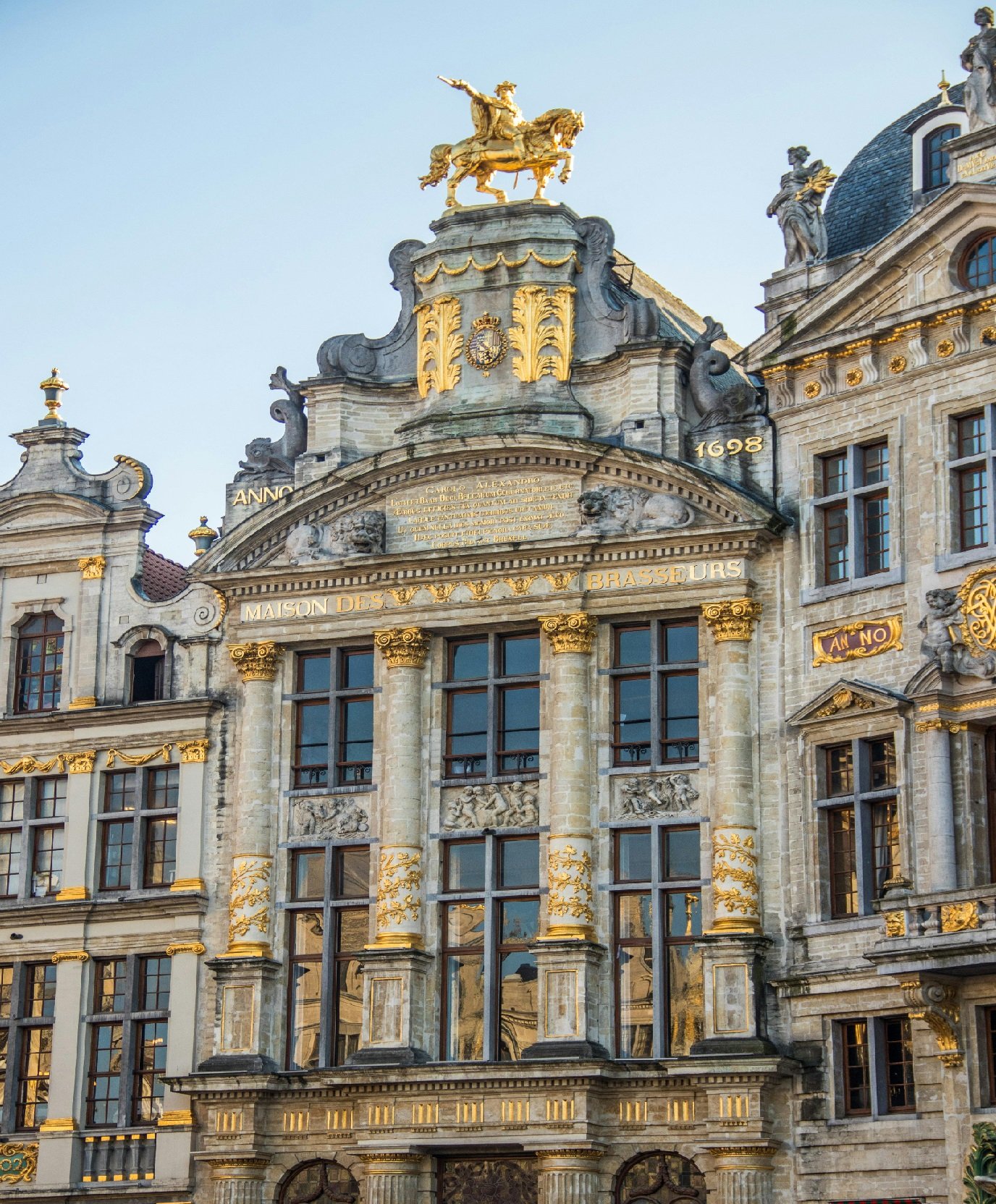
When it comes to understanding chances and probability, it's fascinating to explore how different regions and cultures approach these concepts. In this article, we delve into Brussels, Belgium, and Bangladesh to see how these diverse places view and utilize chances and probability in everyday life. Brussels, the capital city of Belgium, is a bustling metropolis known for its rich history, stunning architecture, and delicious cuisine. In Brussels, chances and probability play a significant role in various aspects of life, from decision-making in businesses to predicting the weather for outdoor events. The city's residents are no strangers to using probability to calculate risks and make informed choices, whether it's regarding investments in the financial sector or planning transportation routes to avoid traffic jams. On the other hand, in Bangladesh, a country in South Asia known for its vibrant culture and lush landscapes, chances and probability are viewed through a different lens. With a large agricultural industry that heavily relies on weather patterns, the people of Bangladesh often use probability to predict monsoon seasons and plan their crop cultivation accordingly. Additionally, in a country where natural disasters like cyclones are not uncommon, understanding chances and probabilities becomes crucial for disaster preparedness and response efforts. Both Brussels, Belgium, and Bangladesh may have different approaches to dealing with chances and probability, but one thing is clear: these concepts are universal and essential for navigating the uncertainties of life. Whether it's in the heart of Europe or the bustling streets of South Asia, understanding and utilizing chances and probability can empower individuals and communities to make informed decisions and plan for the future. As we reflect on the significance of chances and probability in Brussels, Belgium, and Bangladesh, we are reminded of the importance of being proactive and strategic in our thinking. By embracing these concepts, we can better navigate the complexities of our world and create a more informed and resilient society for generations to come.


