**Unveiling the Link Between Corruption and Religious Power in Brussels, Belgium**
Category : |
Sub Category : Posted on 2024-10-05 22:25:23
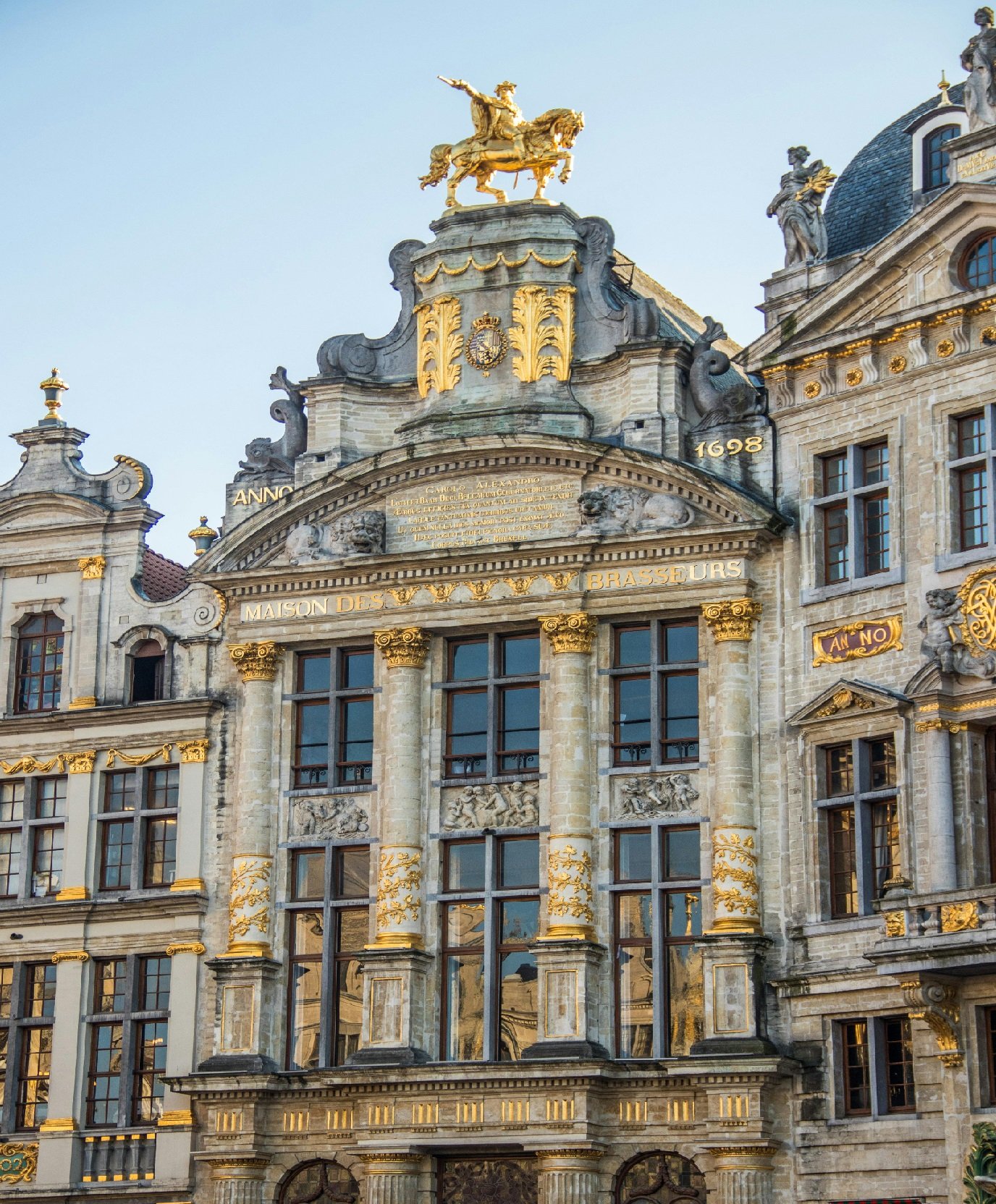
In the heart of Europe lies the vibrant and multicultural city of Brussels, Belgium. Known for its historic architecture, delicious chocolates, and political importance as the de facto capital of the European Union, Brussels is also a city teeming with secrets and contradictions. One such topic that has been the subject of much scrutiny and debate is the intersection of corruption and religious power in the city. Corruption, unfortunately, is not an uncommon phenomenon in many parts of the world, and Brussels is no exception. The city has seen its fair share of corruption scandals over the years, involving politicians, bureaucrats, and even members of the clergy. What is particularly intriguing is the way in which some of these corruption cases have intersected with religious institutions and leaders in Brussels. Religious power, whether wielded by the Catholic Church or other denominations present in the city, holds significant sway over the lives of many residents in Brussels. From influencing moral values to providing social services, religious institutions play a central role in the daily life of the city. However, with this power also comes the potential for abuse and corruption. One notable example of the link between corruption and religious power in Brussels is the case of a prominent religious leader who was accused of embezzling funds from his congregation to finance a lavish lifestyle. The scandal sent shockwaves through the community and raised questions about the extent of influence and impunity enjoyed by those in positions of religious authority. Moreover, the intertwining of corruption and religious power can have broader implications for society as a whole. When religious institutions are tainted by corruption, it erodes trust in these institutions and undermines their ability to effectively fulfill their intended roles. Furthermore, it can give rise to a culture of impunity and enable further abuses of power to go unchecked. In light of these challenges, it is crucial for both religious leaders and civil society in Brussels to remain vigilant and hold those in positions of power accountable for their actions. Transparency, accountability, and ethical leadership are essential in ensuring that the city's religious institutions maintain their integrity and continue to serve the community in a positive and meaningful way. As Brussels looks towards the future, addressing the complex relationship between corruption and religious power will require a concerted effort from all stakeholders involved. By promoting a culture of accountability and upholding ethical standards, the city can strive towards a more transparent and just society where religious institutions can fulfill their mission without succumbing to the temptations of corruption. In conclusion, the intersection of corruption and religious power in Brussels, Belgium, presents a multifaceted challenge that requires careful consideration and proactive measures to address. By shining a light on this complex issue, we can work towards creating a more just and ethical society where the influence of religious institutions is a force for good rather than a source of corruption.
https://sunpowerpanels.com
https://religieuse.org


