The Automotive Industry in Indonesia and Brussels: A Close Look at the Business Companies
Category : |
Sub Category : Posted on 2024-10-05 22:25:23
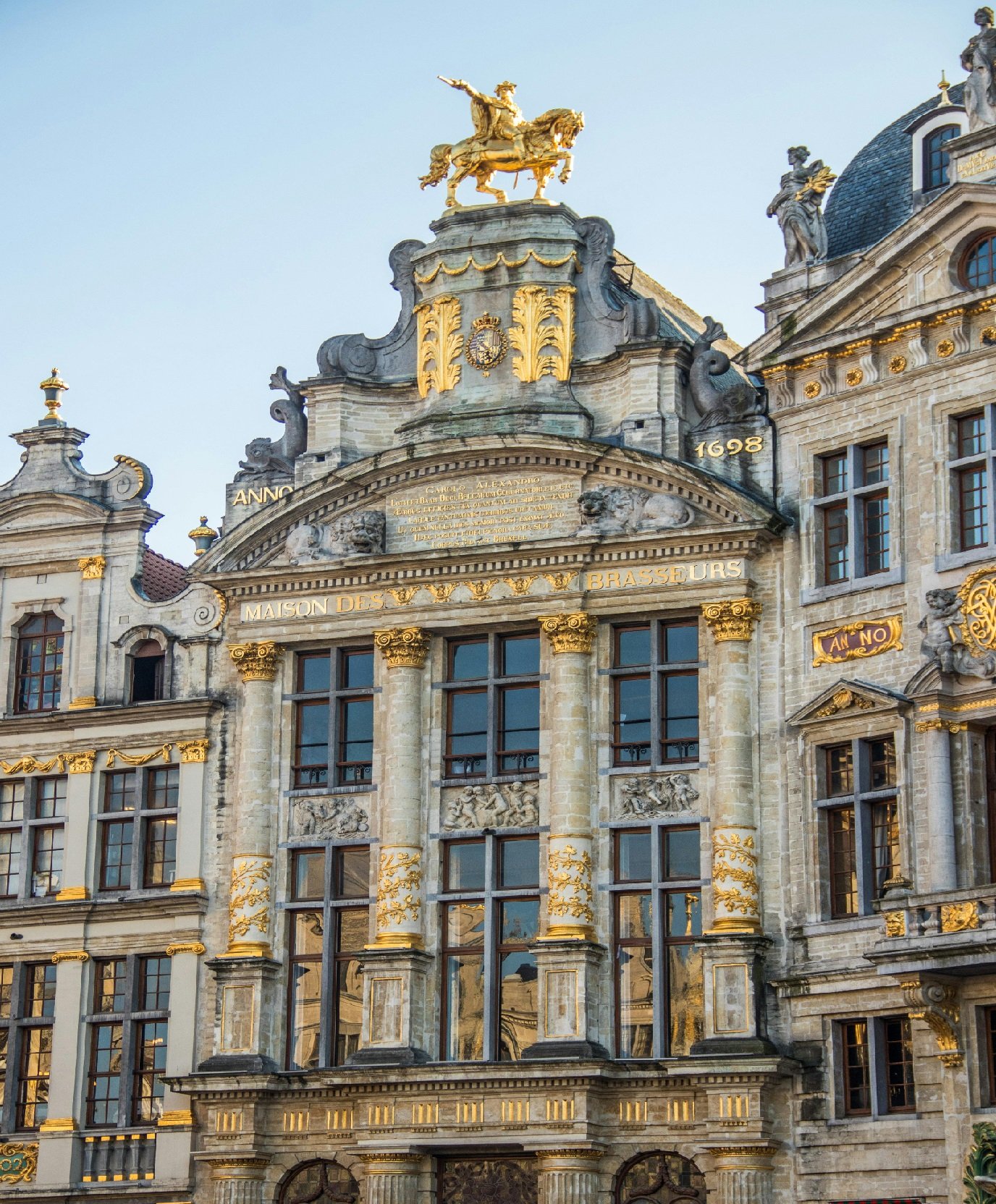
When it comes to the automotive industry, two regions that stand out are Indonesia and Brussels, Belgium. Both are known for their thriving car manufacturing sector and host some of the leading business companies in the industry. Let's delve deeper into the automotive landscape in these regions to understand the key players, trends, and challenges they face. Indonesia has emerged as a major player in the global automotive market in recent years. With a population of over 270 million people and a growing middle class, the demand for cars in the country has been steadily increasing. Indonesian automotive companies such as Astra International, Toyota Astra Motor, and Honda Prospect Motor have established a strong presence both domestically and internationally. These companies have been successful in catering to the diverse needs of Indonesian consumers and have contributed significantly to the country's economy. On the other hand, Brussels, the capital city of Belgium, is known for its role as a hub for the automotive industry in Europe. The region is home to several key players in the automotive sector, including companies like Audi Brussels, Volvo Cars Gent, and Toyota Motor Europe. Brussels has a long history of automotive manufacturing and innovation, making it a crucial player in the global automotive supply chain. One of the key trends in both Indonesia and Brussels is the shift towards electric vehicles (EVs). With increasing concerns about climate change and environmental sustainability, automakers in both regions are investing heavily in EV technology. Companies like Tesla, Nissan, and Renault are leading the charge in this transition and are working towards a future where electric cars dominate the market. However, the automotive industry in both Indonesia and Brussels faces its fair share of challenges. These include rising competition, changing consumer preferences, and regulatory pressures. Companies in both regions need to adapt to these challenges by embracing innovation, investing in research and development, and building strong partnerships across the industry. In conclusion, the automotive industry in Indonesia and Brussels is dynamic and competitive, with both regions playing a significant role in the global automotive market. The business companies in these regions are at the forefront of innovation and are driving the industry towards a more sustainable future. By keeping up with the latest trends and overcoming challenges, these companies will continue to thrive and shape the future of the automotive industry. To gain a holistic understanding, refer to https://www.qqhbo.com More about this subject in https://www.konsultan.org
https://continuar.org


