A Tale of Two Cities: The Car Culture in Brussels, Belgium and Delhi, India
Category : |
Sub Category : Posted on 2024-10-05 22:25:23
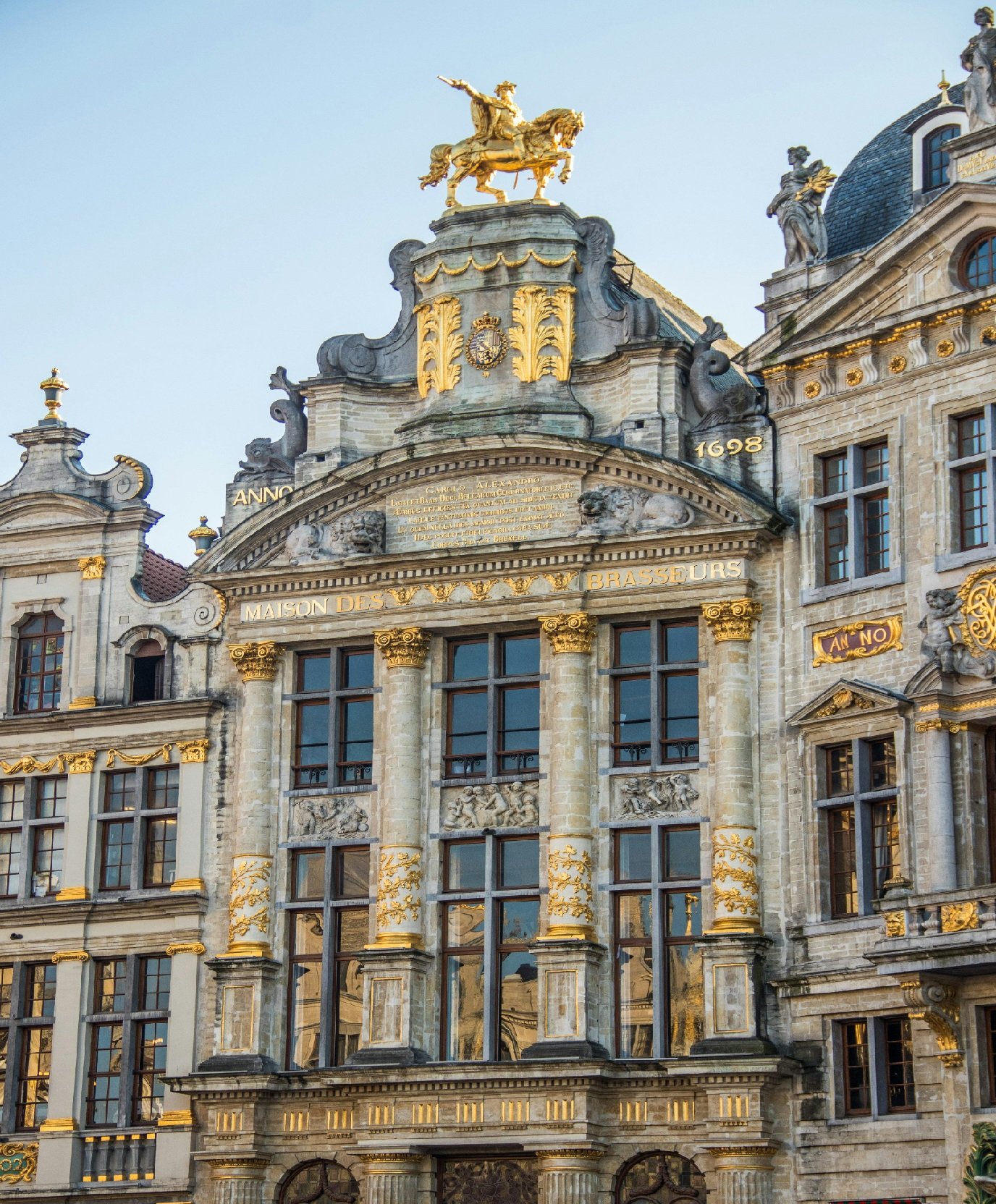
When it comes to cars, two cities that stand out on opposite sides of the globe are Brussels, Belgium and Delhi, India. These two cities showcase two vastly different car cultures, each influenced by local factors such as infrastructure, economy, and societal norms. Brussels, the capital of Belgium and the de facto capital of the European Union, is known for its well-developed public transportation system and bike-friendly infrastructure. The city has taken steps to reduce car usage, with initiatives such as pedestrian zones and low-emission zones aimed at improving air quality and reducing traffic congestion. Despite this, cars still play a significant role in Brussels, with many residents owning cars for convenience and weekend getaways to the countryside. On the other hand, Delhi, the bustling capital of India, presents a stark contrast with its chaotic traffic, congested roads, and high levels of air pollution. The car culture in Delhi is deeply ingrained, with a large section of the population relying on cars for daily transportation due to inadequate public transport options and long travel distances. The city faces challenges such as traffic jams, road accidents, and environmental pollution due to the sheer volume of cars on its roads. In Brussels, car ownership is considered a luxury and a status symbol, with high-end luxury cars being a common sight in the city center. On the contrary, in Delhi, cars are more of a necessity than a luxury, as the lack of reliable public transport forces many residents to rely on personal vehicles to get around. Both cities are exploring sustainable transportation solutions to address the challenges posed by increasing car usage. Brussels is investing in electric vehicle infrastructure and promoting car-sharing services to reduce the carbon footprint of cars in the city. Delhi is implementing measures such as odd-even schemes and expanding its metro network to encourage residents to use public transport and reduce the number of cars on the road. In conclusion, the car culture in Brussels, Belgium, and Delhi, India reflects the unique characteristics and challenges faced by these two cities. While Brussels strives towards a more sustainable and eco-friendly transportation system, Delhi grapples with the impacts of rapid urbanization and car dependency. By understanding and addressing the specific needs of each city, urban planners and policymakers can work towards creating a more efficient and sustainable transportation system for the future. Have a look at the following website to get more information https://www.qqhbo.com Uncover valuable insights in https://www.indiatokorea.com Explore expert opinions in https://www.todelhi.com also click the following link for more https://www.tomumbai.com


